
Education
The Interactive Nervous System
No jargon. Just what is happening inside your body.
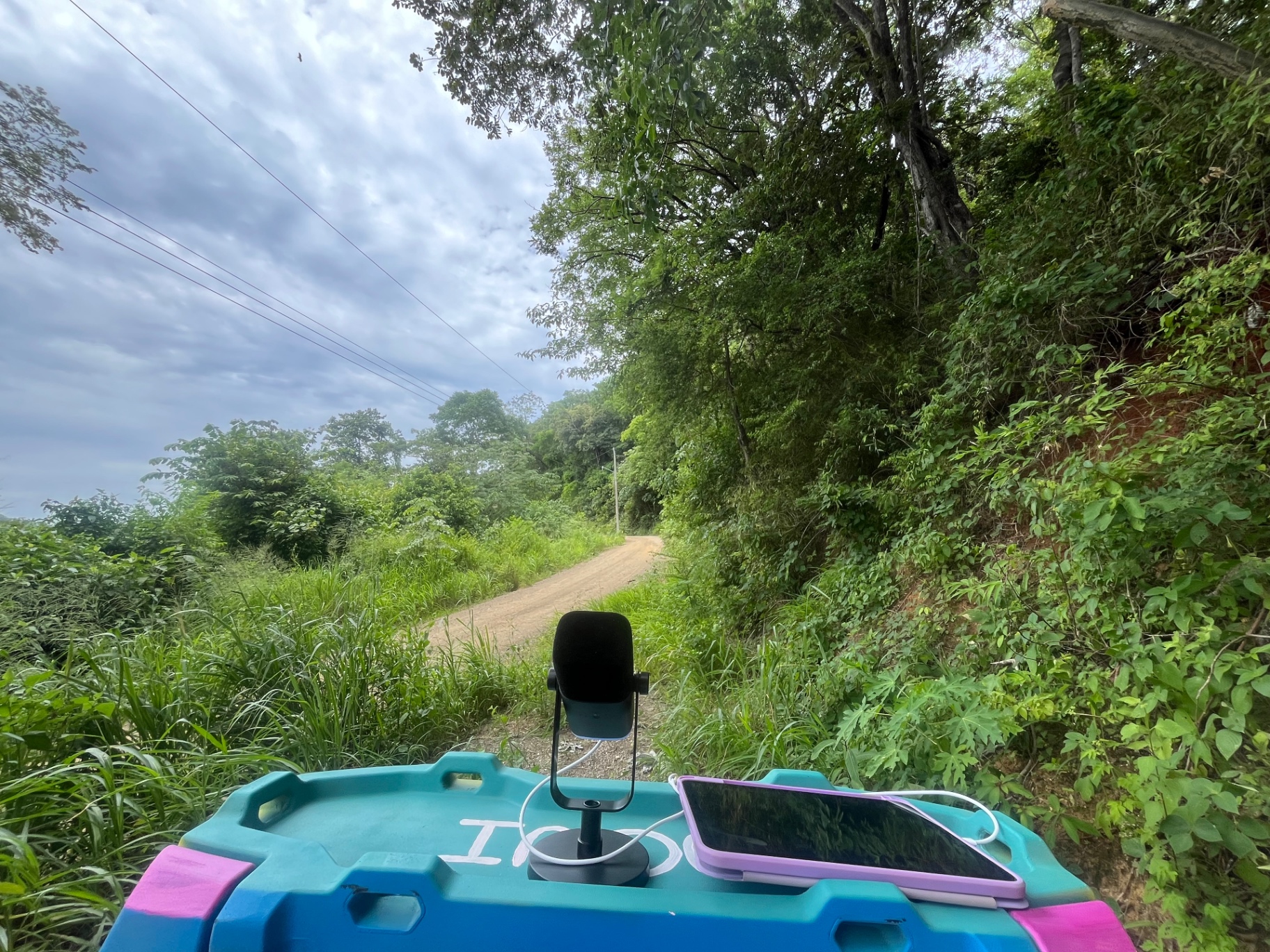
Recorded in the jungles of Costa Rica.
I want to start with something.
The phrase "nervous system" has the word nervous in it. And the moment most people hear it, their brain automatically goes to stress. To anxiety. To something being wrong.
So let me offer a different way to think about it.
I prefer to call it our interactive system. The way our body interacts with the external and internal world. Every piece of information coming in from the environment, and every response the body generates in return. It is not a system of nerves in the anxious sense. It is a system of communication. Constant, intelligent, largely unconscious communication between you and everything around you.
When I work with someone in yoga or breathwork, I can see this system before they say a single word. The eyes tell me everything. Short, shallow breathing tells a story. The way someone holds their shoulders, whether their jaw is set, whether they can soften when invited to or whether the body simply cannot let go. A braced nervous system is visible. It lives in the body before it ever becomes a thought.
Here is what is happening underneath that bracing.
The autonomic nervous system is the part of your body that manages your stress response without asking your permission. It operates beneath conscious thought. It is constantly scanning the environment for information about safety and threat, and it responds to what it finds by moving you into one of a few states.
When safety is detected, the system settles. Breathing slows. Digestion works. Sleep becomes possible. You can connect with people you love.
When threat is detected, the system activates. Heart rate increases. Muscles prepare. The body mobilizes everything it has toward survival. This is the state you may know as anxiety, tension, hypervigilance, the inability to relax even when nothing is happening.
And when the threat feels inescapable, when activation has been sustained for too long without relief, the system can move into a third state. Shutdown. Numbness. The feeling of going through the motions. The emotional flatness that descends when the nervous system has simply run out of resources.
If you have been living alongside someone else's trauma for months or years, your interactive system has been adapting to that environment. It has learned to stay alert. To anticipate. To brace. Not because something is wrong with you. Because that is what this system does. It is trying to protect you.
The practices here, the breath, the movement, the stillness, are not relaxation exercises. They are signals. They are ways of telling a system that has forgotten what safety feels like: you are here, nothing is required of you right now, you can put it down.
The body learns this slowly. But it does learn.
This piece is informed by the work of Stephen Porges on polyvagal theory and peer-reviewed research published in Clinical Psychology Review and the American Journal of Physiology.