
Education
What secondary traumatic stress actually is
The name for what happens to the ones who stay.
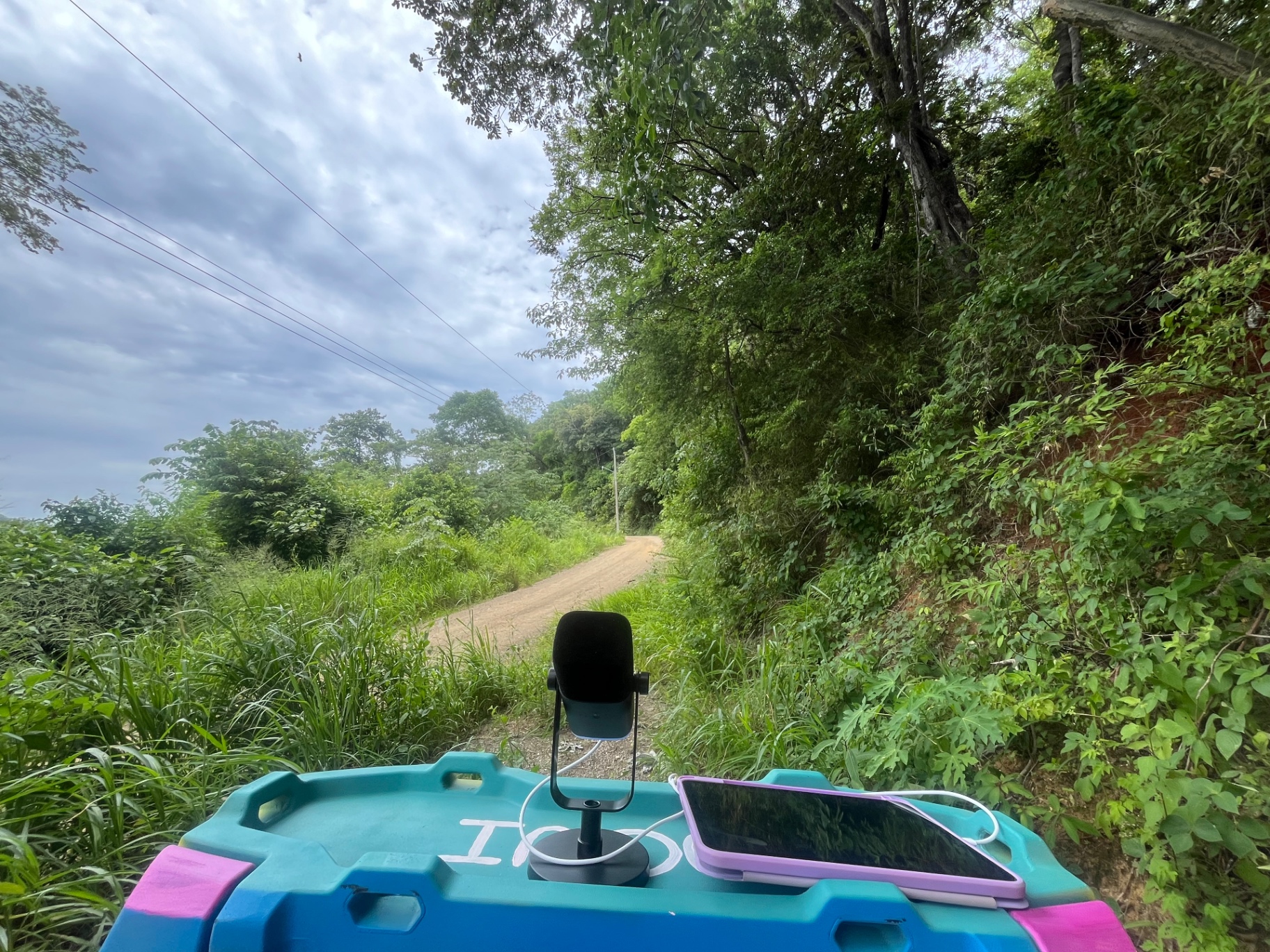
Recorded in the jungles of Costa Rica.
You haven't been through the trauma yourself.
But your body doesn't entirely know that.
If you have been loving someone through PTSD, you may have noticed something quiet happening to you. A heaviness without a clear source. A vigilance you carry even when nothing is wrong. A tiredness that sleep doesn't fix. Emotions that feel like yours but also don't quite feel like yours.
There is a name for this. It is called secondary traumatic stress.
I know what it felt like when I first understood it. Not relief exactly. Exhaustion first. And then anger. A lot of it. Resentment toward the person I loved, which sat right alongside the love itself. The conflict of holding both of those things at once was one of the loneliest experiences I have had. Nobody tells you that you can deeply love someone and also resent what loving them is costing you. Nobody tells you that both things can be true at the same time and that neither one cancels the other out.
It is not weakness. It is not you being too sensitive or too involved. It is a recognized, researched psychological response that happens to people who are in close relationship with someone living with trauma. Studies of partners and spouses of people with PTSD have found secondary traumatic stress symptoms in a significant portion of them. Hypervigilance. Emotional numbing. Difficulty relaxing. A sense of bracing for things before they happen.
The symptoms look a lot like PTSD itself. Because in some ways, they are.
You didn't experience the original trauma. But you absorbed its effects through closeness. Through empathy. Through the daily labor of loving someone whose nervous system is still inside the experience. And over time, those adaptations cost you something.
One of the most common ways I see this show up, and the one that is hardest to recognize from the inside, is people-pleasing overload. The endless accommodating. The shrinking of your own needs so that nothing you do could possibly make things harder. It looks, from the outside, like kindness. From the inside it is exhaustion with a smile on top.
The cost shows up differently for different people. For some it is physical. For some it is emotional. For some it is the slow withdrawal from the parts of life that used to feel like yours.
None of this means you are broken.
It means you have been carrying something that nobody named for you.
Naming it is the first thing.
Secondary traumatic stress is real. It is documented. It is not a character flaw or a sign that you love the wrong way. It is what happens when an empathetic nervous system lives in close proximity to pain for a long time without enough tending of its own.
This is that tending.
This piece is informed by peer-reviewed research published in the Journal of Nervous and Mental Disease, Psychiatria Danubina, Psychology and Health, and the Journal of Marital and Family Therapy.