
Education
Where you end and they begin
On identity, care, and the quiet erosion of self.
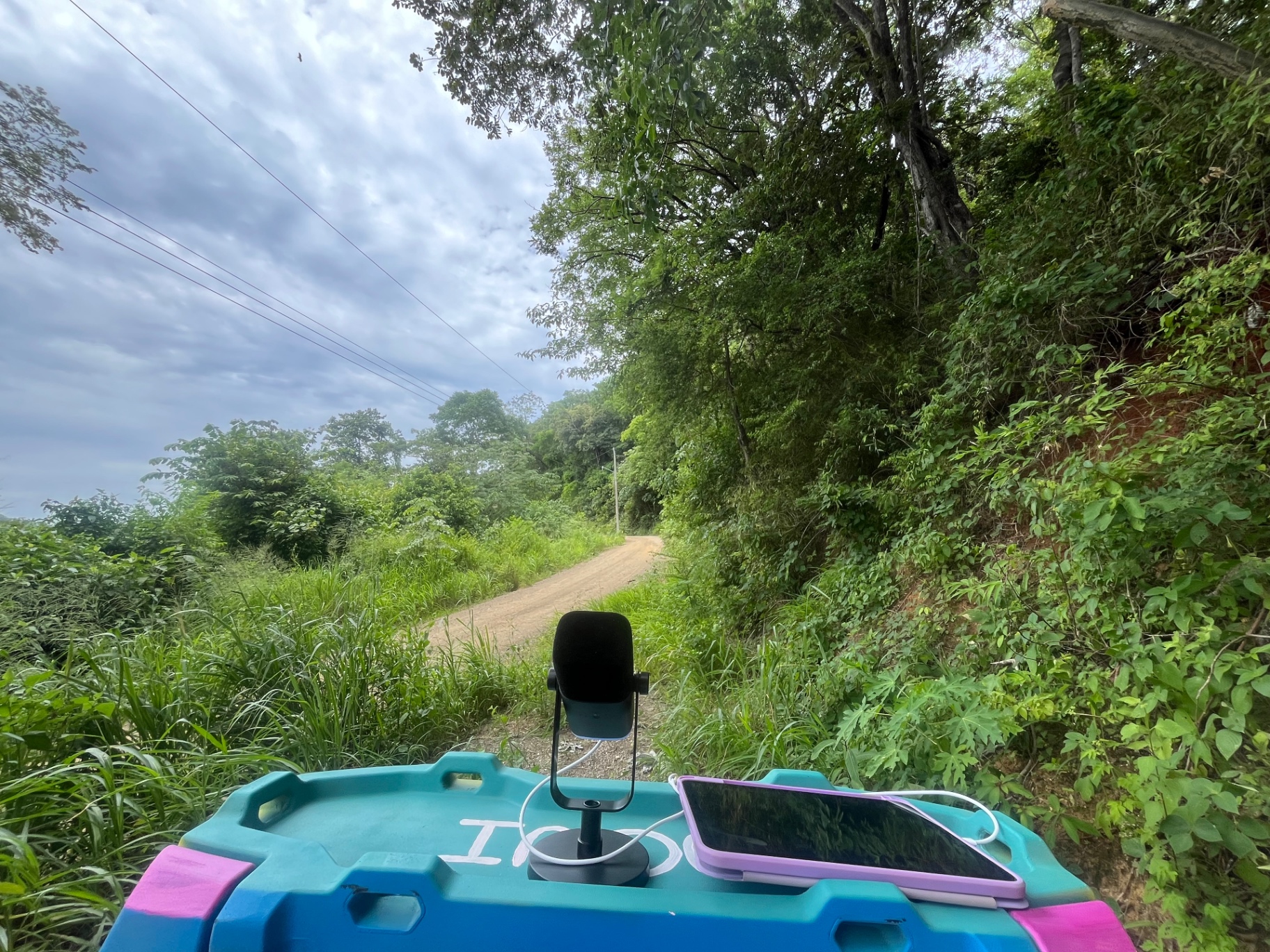
Recorded in the jungles of Costa Rica.
It happens slowly. That is why it is so hard to notice.
One day you realize you cannot remember the last time you made a plan that had nothing to do with them. You cannot remember what you used to think about before this became your life. You have opinions about their wellbeing, their triggers, their needs. But when someone asks what you need, there is a strange blankness where the answer should be.
I have seen the moment people realize this about themselves. And I want to be honest with you: it is rarely glamorous. It is not a sudden revelation with clarity attached. It is usually a quiet, difficult period of introspection that happens while the caregiving is still happening. Double the weight. You are still showing up for them while simultaneously beginning to excavate yourself. That is an enormous thing to carry at once.
But the other side of it is genuinely beautiful. When someone finds their way back to themselves after a long absence, there is something that happens in them that I find hard to describe and easy to recognize. I feel genuinely happy for them. Not in a clinical way. In the way you feel happy for someone who has been found.
Researchers who study caregiving have a term for what precedes that moment: role engulfment. It describes what happens when the identity of caregiver expands until it crowds out everything else. The person who was a partner, a friend, an individual with their own interior life gradually becomes defined almost entirely by their relationship to someone else's struggle.
A 2024 study focused specifically on partners of people with PTSD found that the more completely someone had organized their sense of self around supporting their partner, the more their own wellbeing suffered.
This is not a criticism of love. It is a description of what unchecked love costs when it has no space of its own.
And space is where the return begins. Not dramatic space. Not a week away or a life overhaul. Something smaller. Waking up an hour before them to have coffee alone. A long shower with music and no interruptions. Getting back to the gym. Something that belongs only to you, that has nothing to do with anyone else's needs.
It does not have to be much. It just has to be yours.
Because the person who has quietly forgotten themselves is not more loving for the forgetting. They are just more lost. And finding the way back does not require leaving anyone behind.
This piece draws on research including Caregiving: Role Engulfment and the Loss of Self by Skaff and Pearlin, and A Caregiver Perspective for Partners of PTSD Survivors, published in PMC 2024.